
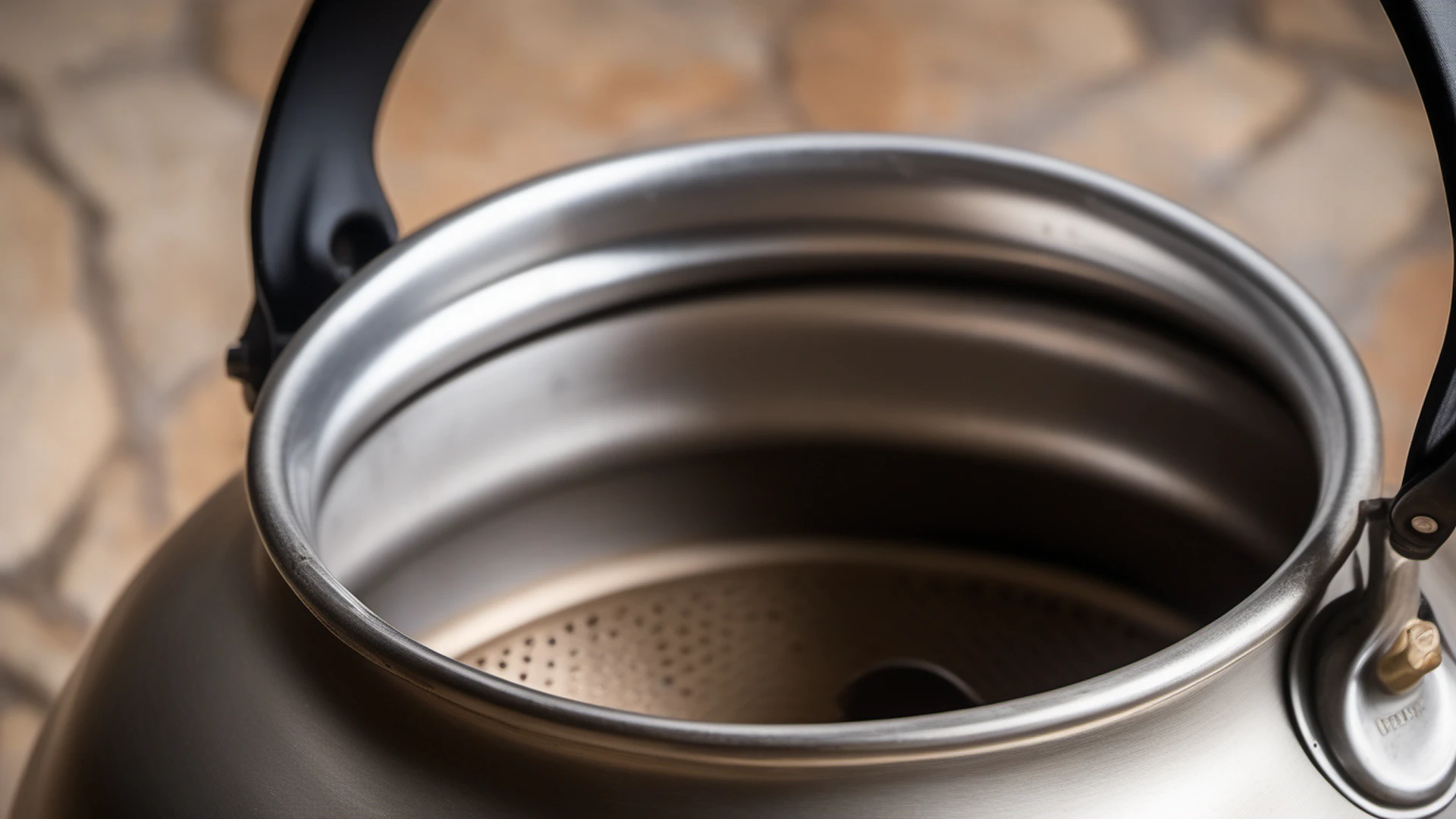
The Scale of the Problem
The average UK household replaces its kettle every 2–3 years. With around 30 million households, that is roughly 10–15 million kettles heading to landfill each decade. Many of them are perfectly repairable.
Most people replace kettles because of limescale build-up or a cracked lid. The heating element is usually fine. Both faults are fixable with £3 of descaler or a £5 spare part — if the manufacturer sells one.
What the HIP Score Reveals
At Resourcehip we quantify this through three dimensions of the Human Impact Profile:
- Product Longevity (PL) — designed lifespan, failure mode data, and warranty commitments
- Repairability (R) — availability of spare parts, standard tool access, and right-to-repair compliance
- Material Scarcity Index (MSI) — stainless steel and borosilicate glass (heat-resistant glass) score better than filled polypropylene (reinforced plastic)
A kettle scoring 7/10 on longevity is engineered to last 8–10 years. A 3/10 is designed for the skip.
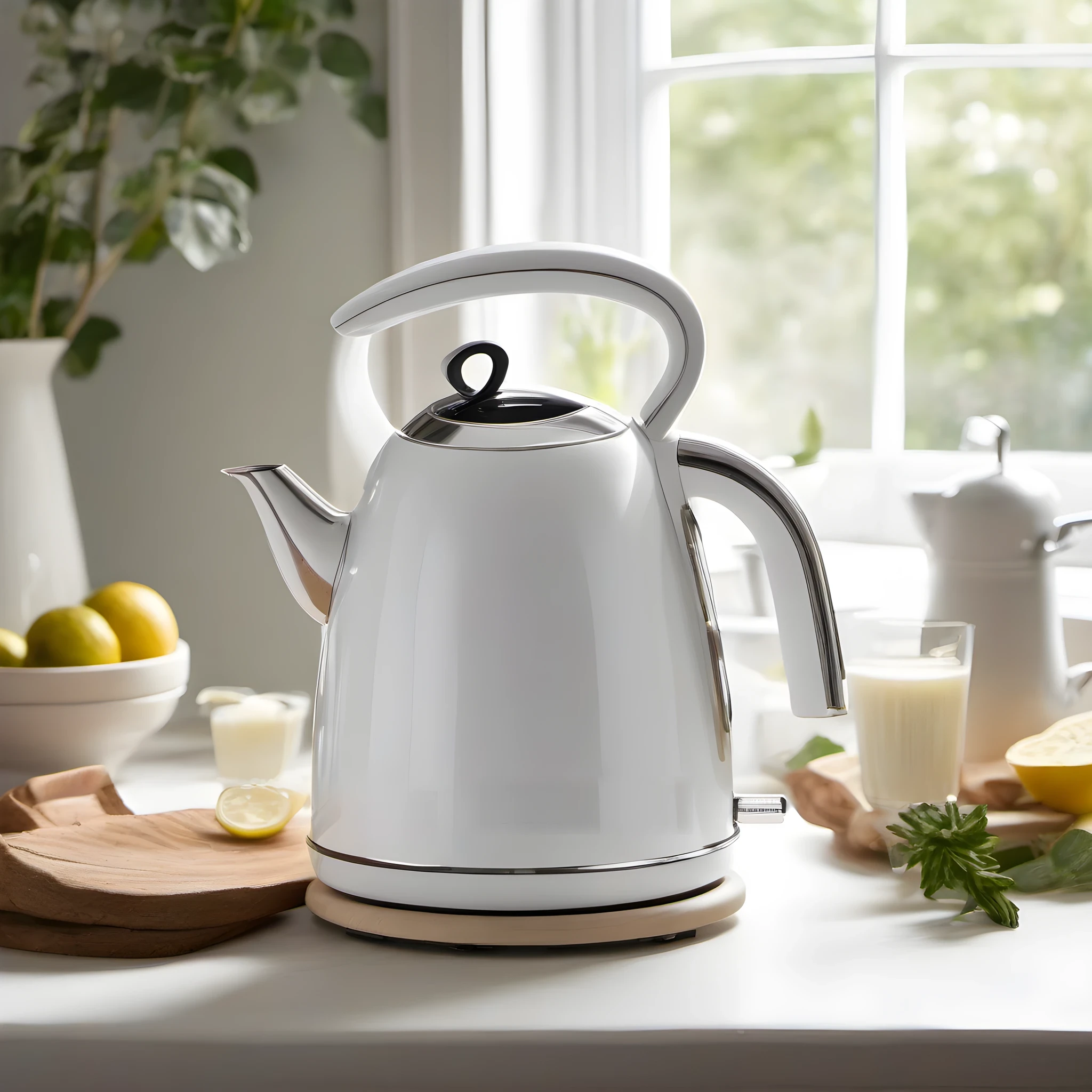
How to Choose a Long-Lasting Kettle
- Prefer metal or glass bodies — stainless steel and borosilicate glass outlast polypropylene (a type of plastic) by years and resist UV yellowing
- Check for replaceable parts — if a brand lists heating elements and limescale filters as separate spare parts, it scores higher on Repairability
- Avoid integrated plastic lids — these crack and are rarely available as a spare
- Look for a two-year warranty minimum — the EU standard is one year. A two-year warranty signals the manufacturer believes in their product's durability
The Cost Case
A £120 stainless-steel kettle lasting 8 years costs £15/year.
A £30 plastic kettle replaced every 2 years also costs £15/year. But it creates four times the manufacturing waste and uses four times the raw materials.
The maths is identical. The environmental footprint is not.
The Bigger Picture
Kettles are a stand-in for how we think about all appliances. When buyers treat long life as a top priority, the business model behind short-lived design stops working. HIP scoring makes that trade-off clear at the point of purchase.
Methodology and edits by Chris Bowness; assistive AI used for drafting.