
The short version
We have published baseline HIP Ratings for 73 consumer product categories. The average score is 2.9 out of 10. Forty-six categories — nearly two thirds — score "Poor." Sixty-three out of 73 are rated Depleting on the Regenerative Index.
The five highest-scoring categories are all made from natural fibres, durable metals, or recycled materials. The five lowest are all consumer electronics. The pattern is consistent enough that it stopped being surprising after the first dozen ratings.
What is surprising is the size of the gap between a conservative baseline and what a manufacturer could demonstrate with actual evidence. The average gap is 3.9 HIP points. In some categories, it is nearly 5. That gap is the commercial case for verified ratings — and the reason most manufacturers are sitting on scores far better than the ones we publish.
What we rated and how
Every rating on Resourcehip uses the same seven-dimension methodology. The dimensions are Material Sourcing and Impact, Supply Chain Resilience, Repairability and Circular Design, Recyclability, Socio-Economic and Environmental Impact, Product Longevity, and the Regenerative Index. Each dimension is scored 0–10 (the RI runs from −10 to +10), and the final HIP Score is a weighted composite.
A Category Baseline is what you get when you apply the methodology using only public data and conservative defaults. Where a data point is missing — recycled content percentage, warranty length, supply chain audit status — the methodology assumes the worst reasonable case. This is deliberate. The baseline is the floor, not the answer.
For a full explanation of the three rating types, see Baseline vs Verified Ratings.
The big picture: 2.9 out of 10
| Label | Score range | Categories | Share |
|---|---|---|---|
| Poor | 0.0–2.9 | 46 | 63% |
| Caution | 3.0–4.9 | 26 | 36% |
| Moderate | 5.0–5.9 | 1 | 1% |
| Standard | 6.0–7.4 | 0 | 0% |
| Silver | 7.5–8.9 | 0 | 0% |
| Gold | 9.0–10.0 | 0 | 0% |
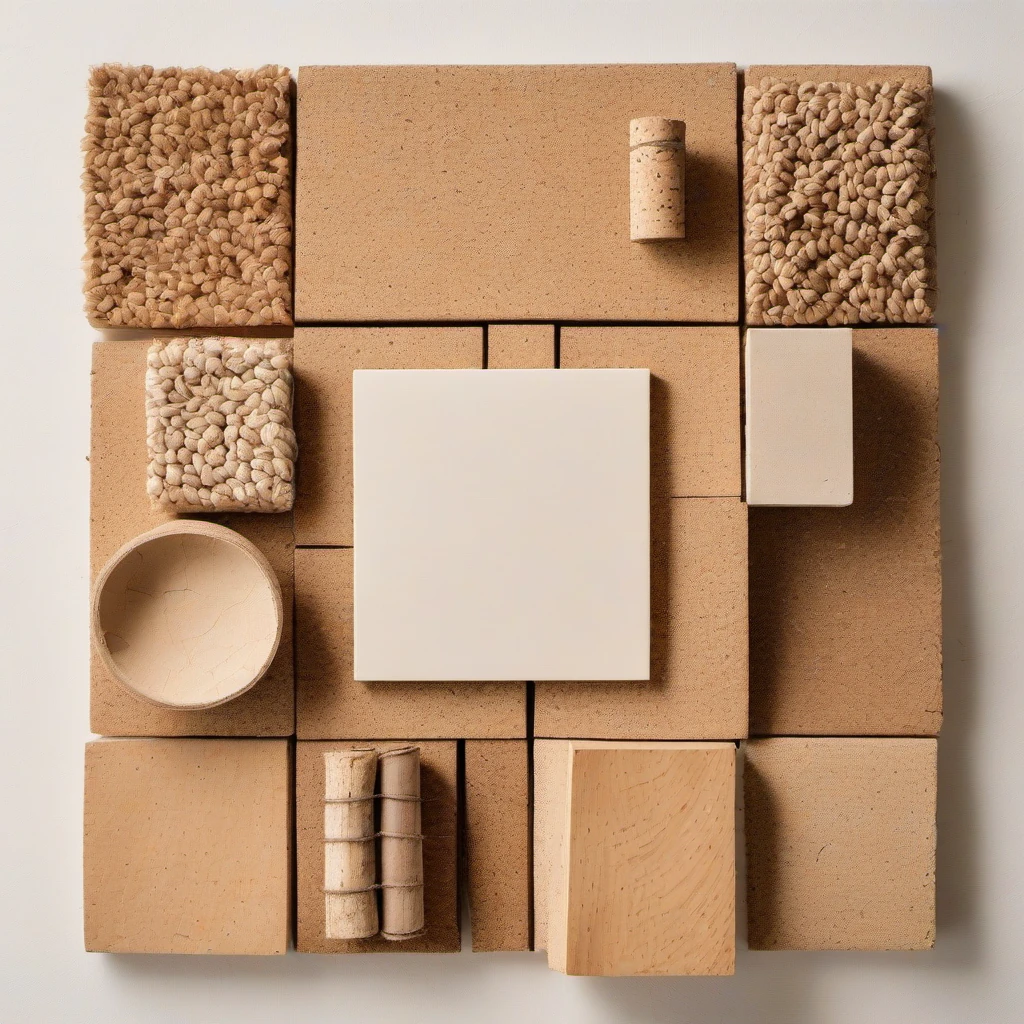
No category baseline reaches Standard. The single Moderate is cork products, scoring 5.2. Every other category sits in Caution or Poor.
This is not because we set the bar unreasonably high. It is because most consumer products, rated on conservative defaults, are designed to be used briefly and replaced. The methodology reflects that honestly.
What scores well — and why
The top five categories by HIP Score:
| Category | HIP Score | RI Descriptor | Why it scores higher |
|---|---|---|---|
| Cork Products | 5.2 | Renewable | Harvested without killing the tree. Naturally biodegradable. Low-energy processing. Repairable in many forms. |
| Wooden Toys and Games | 4.8 | Renewable | Solid wood is durable, repairable, and biodegradable. Multi-generational use is common. |
| Recycled HDPE Outdoor Furniture | 4.6 | Extractive | Keeps plastic from landfill. 25+ year product life. No maintenance. But still fossil-derived. |
| Cast Iron Cookware | 4.3 | Extractive | Extreme longevity (decades to centuries). Repairable. But iron mining and smelting carry environmental weight. |
| Bamboo Kitchenware | 4.2 | Renewable | Fast-growing renewable material. Naturally antimicrobial. Biodegradable end of life. |
The pattern: natural and renewable materials score higher because they perform better on Material Sourcing, Recyclability, and the Regenerative Index simultaneously. Products that last decades score higher on Product Longevity. Products you can fix score higher on Repairability.
None of this is controversial. What the scoring does is put a number on the intuition.
What scores poorly — and why
The bottom five categories by HIP Score:
| Category | HIP Score | RI Descriptor | Why it scores lower |
|---|---|---|---|
| Electronic Learning Toys | 1.7 | Depleting | Short use window (child ages out), mixed materials, non-repairable, rare earth minerals. |
| Baby Monitors | 1.7 | Depleting | Planned obsolescence, sealed batteries, no repair pathway, e-waste end of life. |
| Wireless Earbuds | 1.8 | Depleting | Glued construction, sealed lithium-ion cells, 2-year typical lifespan, near-zero recyclability. |
| Smartphones | 1.9 | Depleting | Sealed batteries, glued screens, software-limited lifespan, conflict minerals in supply chain. |
| Bluetooth Headphones | 1.9 | Depleting | Similar to earbuds but slightly better on longevity. Still non-repairable, still Depleting. |
Consumer electronics dominate the bottom of the table because they fail on nearly every dimension: short lifespans, sealed construction, mixed materials that cannot be separated for recycling, and supply chains with documented social and environmental risks.
The RI tells a starker story. All five bottom categories score −7.0 (Depleting) — the lowest tier. The materials in these products are extracted from the earth and, at end of life, go to landfill or informal recycling. None of it goes back.
The gap that matters
The most commercially significant finding is not the baseline score itself — it is the distance between the baseline and the verified ceiling.
| Category | Baseline | Ceiling | Gap |
|---|---|---|---|
| Garden Furniture | 2.9 | 7.9 | 5.0 |
| Bluetooth Headphones | 1.9 | 6.7 | 4.8 |
| Reusable Coffee Cups | 2.8 | 7.6 | 4.8 |
| Cookware | 2.7 | 7.5 | 4.8 |
| Camping Tents | 2.5 | 7.3 | 4.8 |
The average gap across all 73 categories is 3.9 HIP points. That is the difference between a conservative assumption and what a manufacturer could score if they submitted actual evidence of their material choices, construction methods, and supply chain practices.
A manufacturer making garden furniture from FSC-certified timber with a 25-year warranty and a documented take-back scheme would not score 2.9. The methodology says they would score closer to 7.9. But without their data, we publish 2.9 — because that is the honest conservative default.
That gap is why verified ratings exist. Not because we want to sell assessments, but because conservative defaults are, by design, wrong in the manufacturer's favour. A verified rating corrects the record.
The Regenerative Index: 86% of categories are Depleting
| RI Tier | Categories | Share |
|---|---|---|
| Depleting | 63 | 86% |
| Extractive | 5 | 7% |
| Renewable | 5 | 7% |
| Restorative | 0 | 0% |
| Regenerative | 0 | 0% |
The Regenerative Index measures whether the materials in a product can return to the earth or the supply chain at end of life. Most cannot. Most consumer products are made from materials that are mined, processed, assembled, used, and then buried or burned.
The five Renewable categories — cork products, wooden toys, bamboo kitchenware, natural latex sleep products, and natural-fill duvets and pillows — use materials that are grown, harvested, and can biodegrade or be composted. They are the exception, not the rule.
No category reaches Restorative or Regenerative on baseline defaults. That does not mean no products could — it means no products have submitted the evidence yet.
What this means for manufacturers
If you make a product from cork, bamboo, recycled HDPE, FSC timber, or any material with a genuine provenance story, your product almost certainly outperforms the category baseline we publish. Our defaults assume the worst about your material sourcing, your supply chain, and your end-of-life design — because we do not have your data.
A Verified Rating replaces those assumptions with evidence. The score goes up when the evidence is better than the default. It also goes down if the evidence is worse — but for the kind of manufacturer reading this page, that is unlikely.
The baseline is published. The gap is real. The ceiling is reachable. The only thing missing is your data.
Submit your product for a Verified Rating
Methodology note
All scores on this page are Category Baselines produced under HIP Methodology v1.4. They are conservative by design. Individual products within any category may score higher or lower depending on their specific materials, construction, and supply chain practices. Resourcehip does not compare brands against each other — each product is scored against its category baseline. For the full methodology, see How we score.